Build · SaaS product development

SaaS products, built by a team that runs its own

We design and build SaaS platforms that are ready for growth, performance and long-term evolution. We run QuoteCloud, TravelDocs and WebDirector ourselves, so we build your product the way we build ours.

The service

A product people subscribe to, and keep paying for

SaaS product development is the work of turning an idea, a service or an internal tool into software that many organisations sign up for, pay for each month and rely on every day. It covers far more than screens. Accounts, plans, billing, permissions, onboarding, integrations, support tools and reporting all have to work together before a product is ready to sell.

It suits founders with a proven idea, established businesses turning their know-how into a product, and software companies whose platform has outgrown its first version. Good SaaS feels simple to a new customer on day one, keeps every customer’s data separate and safe, and lets the team ship improvements every week without fear of breaking what already works. It also gives your own team the tools to support customers well.

The commercial stakes are high because a subscription business earns its money over years, not at the point of sale. Churn, support load and the cost of each new feature decide whether the product is profitable. A sound foundation keeps those costs down. It is why we rebuilt QuoteCloud from the ground up while customers kept working, rather than patching an ageing platform.

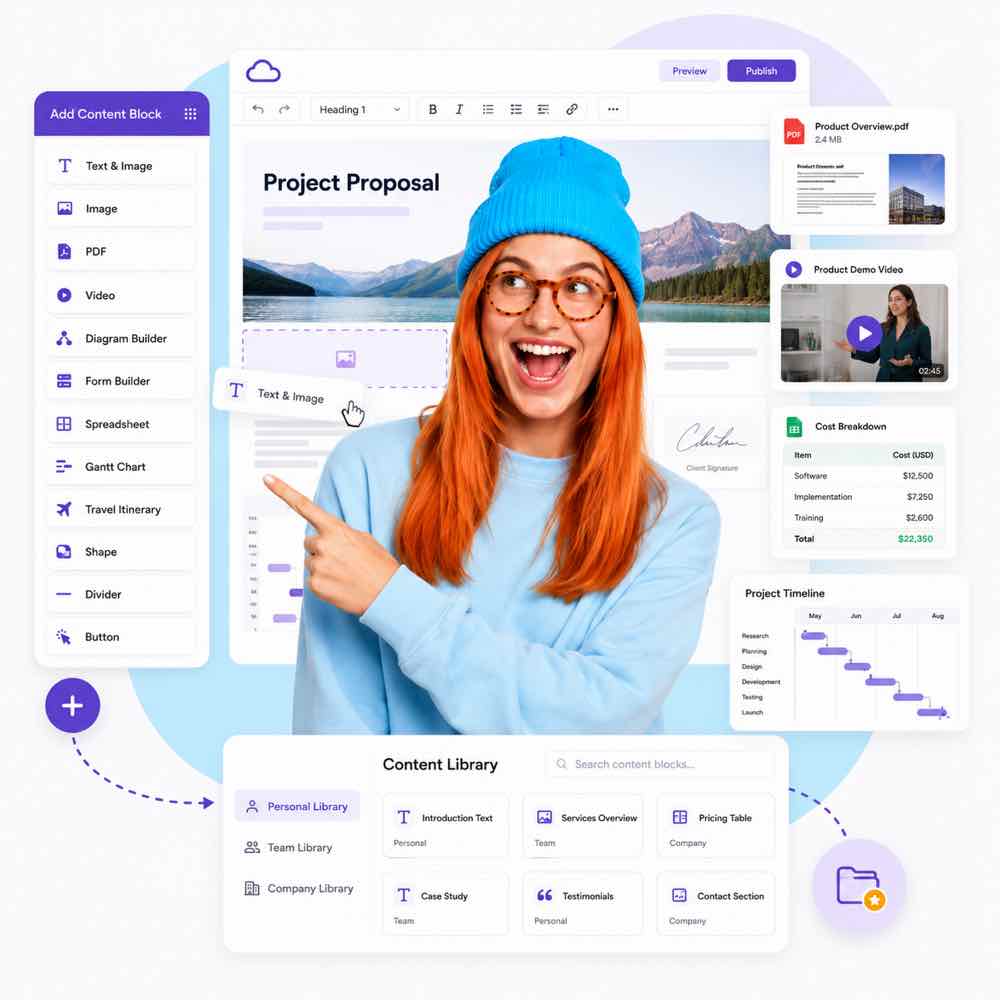
QuoteCloud, a SaaS product Corporate Interactive builds and runs

Scalable architecture

Platforms that take new features, more users, evolving workflows and new integrations without a rebuild every time the product grows.

Integration-ready

APIs, webhooks and third-party connections designed in early, so the product fits into your customers’ systems.

Launch and security focus

Testing, launch readiness and data security are part of delivery, not extras added at the end.

3SaaS products we build and run ourselves
190+QuoteCloud production releases since September 2024
85MCP tools that let AI assistants work in QuoteCloud
Is it right for you?

This is for you if…

  • You have customers or a waiting list, and the idea now needs to become real software
  • Your platform works, but every new customer seems to need its own custom code
  • You plan to sell to larger organisations that will ask about security and single sign-on
  • You want a partner who has built, launched and run SaaS products of its own
The problem

Sounds familiar?

If two or more of these ring true, this is where we can help.

  1. 01

    Your idea is proven in spreadsheets or a service, and now has to become software customers pay for

  2. 02

    Every new customer seems to need custom code

  3. 03

    Releases are slow and risky, so improvements wait for months

  4. 04

    Customers ask for an API, integrations or AI features you cannot add easily

What’s included

What we deliver

Every engagement is scoped to your goals. These are the pieces we are asked for most.

01

Product and pricing model

A clear view of who the product is for, the jobs it does, and how plans, trials and add-ons map to features, so the pricing page and the software tell the same story.

02

Multi-tenant architecture

A data and hosting design that keeps each customer’s records isolated, scales as accounts grow, and lets you serve a small business and a large enterprise from the same platform.

03

Accounts, roles and billing

Sign-up, single sign-on, team invitations, permissions and subscription billing built in properly, because these are the parts every customer touches and every finance team audits.

04

Onboarding and admin tools

Guided first steps for new customers, plus internal consoles your own team uses to support accounts, change plans and see what is happening without asking a developer.

05

APIs and integrations

A documented API, webhooks and connections to the tools your customers already use, designed early so integrations become a selling point rather than an expensive afterthought.

06

Release pipeline and monitoring

Automated tests, staged releases, error tracking and product analytics, so new features reach customers quickly and problems are found by your team before customers notice.

New SaaS products that need a strong technical and UX foundation from day oneExisting platforms that need a better product experience, cleaner workflows or more reliable integrationsOne product that supports users, data, content, reporting and administration in a structured waySubscription billing, plans and add-ons, trials and account managementMulti-tenant data, roles and permissionsWeb, mobile and API delivered together
Decisions worth getting right

Three choices that shape the product

How much should the first release include?

Enough to win and keep paying customers, and no more. Most features can start simple and improve later, but a few foundations are hard to change once customers depend on them: how tenants and data are separated, how accounts and permissions work, and how billing is structured. We spend time getting those right and keep everything else deliberately lean, then let real usage decide what comes next.

Shared or separate databases for each customer?

A shared, well-partitioned database is cheaper to run and simpler to upgrade, and it suits most products. Separate databases or dedicated environments give stronger isolation, which some regulated or enterprise buyers require, but they add cost and complexity to every release. Many products start shared and offer a dedicated option on their top plan once demand is proven.

Build billing yourself or use a provider?

Use a proven payments provider for the money itself: card handling, invoices, tax and failed-payment retries are specialist work with real compliance obligations. What you build is the layer around it, the link between plans, limits and features in your product. Keeping that layer clean makes it easy to change prices, add plans or run trials without a rewrite.

How it runs

How a saas product development project runs

Typical stages and how long each usually takes. Your plan is set during discovery, with working software to see at every stage.

How we work

  1. Discovery and product shaping

    3–6 weeksCustomer interviews, competitor review, pricing model and a prioritised feature map. You get a scoped first release, an architecture outline and a realistic budget and timeline.

  2. Design and prototype

    4–8 weeksKey journeys designed and tested as clickable prototypes, from sign-up to the core task. You get approved designs, a component library and early feedback from real users.

  3. Build the first release

    3–6 monthsPlatform foundations, core features, billing and integrations delivered in short iterations with regular demos. You get a working product in a staging environment, ready for pilot customers.

  4. Launch and grow

    OngoingPilot, launch, then a steady release rhythm guided by analytics and customer feedback. You get monitoring, support and a roadmap that evolves with what customers actually use.

Built on our products

Start from something proven

Where one of our products already solves part of the problem, we build on it rather than from scratch.

Questions

Common questions

How long does it take to launch a SaaS product?

A focused first release usually takes four to nine months from discovery to launch, depending on scope, integrations and how much already exists. The fastest projects are clear about which customers come first and what those customers need on day one. We give a timeline once discovery has settled the scope, not before.

Can you add AI features to our product?

Yes. We build AI features into our own products, including QuoteCloud’s AI Co-worker and its MCP server, which lets AI assistants work inside the product under each user’s own permissions. We start with the tasks your customers repeat most, then design the controls, review steps and limits that make AI useful and safe to rely on.

How do you handle security for a multi-tenant product?

Security is designed in from the first sprint. That means tenant isolation enforced on the server, role-based permissions, encrypted data, audit logs and regular dependency updates. We also plan for the questionnaires enterprise buyers send, so you can answer them clearly when larger customers start asking.

What happens after launch?

Launch is the start of the product’s life, not the end of the project. Most clients keep a regular release rhythm with us for new features, performance work and support. We run our own products the same way, with frequent releases, monitoring and analytics, so we know what it takes to keep a SaaS product healthy over years.

We have a prototype built with no-code tools. Can you work with it?

Yes. A no-code prototype is often a great way to prove demand. We review what it does well and where it is reaching its limits, then plan a move to a proper platform that keeps your customers and data intact. Sometimes parts can stay in place for a while, and we will tell you when they can.

Can you help with an existing SaaS product?

Yes. We often join after launch to improve the product experience, tidy up integrations or rebuild parts of the platform that are holding growth back.

Who owns the code?

For client products, ownership and licensing are agreed up front in the proposal. Our own products stay ours.

Need software built around the way your business actually runs?

Whether you’re planning a new SaaS product, custom business software, a mobile app or a better digital workflow, we’d love to hear what you’re working on.